

ساماندهی مجموعههای موزهای / Museum Collections Management
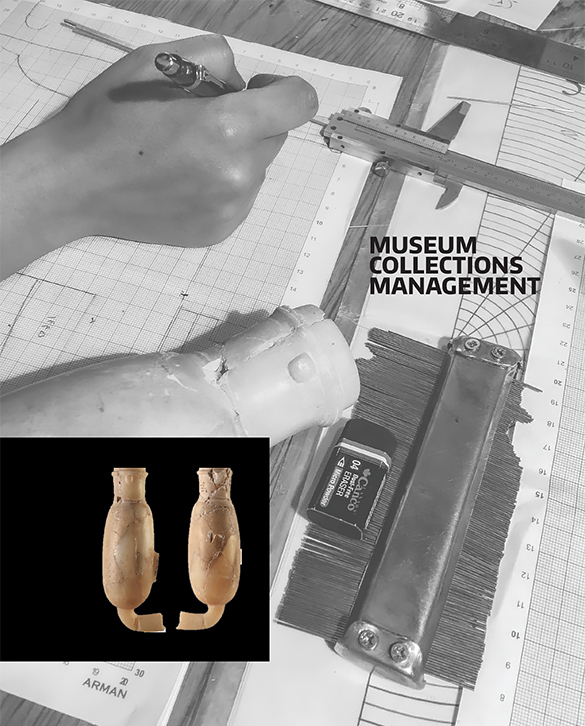

پس از واگذاری اشیاء به موزهها، این اشیاء
بهصورت مجموعهای درآمده و هر یک از آنها
اطلاعات ارزشمندی را منتقل میکنند. این پیامها
ممکن است جنبههای متنوعی چون تاریخی، مذهبی،
اقتصادی، تکنولوژیکی و غیره را شامل شوند. زمانی که یک
شیء از مبدأ و بافت اولیه خود جابهجا میشود، اهمیت آن میتواند
بر اساس اسناد مرتبط، کاهش یا افزایش یابد.
علاوه بر این، هنگامیکه یک شیء وارد موزه میشود، یک «زندگی جدید»
را آغاز میکند؛ مورد مطالعه قرار میگیرد، به نمایش گذاشته میشود، بازسازی
میشود و گاه به امانت به مکان دیگری منتقل میشود. همچنین، در کنار بسیاری
از اشیاء دیگر قرار میگیرد و به بخشی از یک مجموعهٔ بزرگتر تبدیل میشود. از این
رو، شناسایی هر شیء به شیوهای علمی و منحصربهفرد از تمام جنبهها ضروری است. مستندسازی مجموعهٔ اشیاء موزهای، اقدامی مهم جهت دستیابی به اهداف آموزشی، پژوهشی و حفاظتی موزهها خواهد بود.
ساماندهی
مجموعههای موزهای
Museum Collections
Management
Once artifacts are transferred to museums, they are organized into collections, with each artifact conveying valuable information. These messages may encompass various aspects, such as historical, religious, economic, technological, and more. When an artifact is removed from its original context and provenance, its significance may either diminish or increase, depending on the associated documentation.
Furthermore, when an artifact enters a museum, it begins a “new life”: it is studied, displayed, restored, occasionally loaned to other institutions, or relocated. It is also positioned alongside numerous other artifacts, becoming part of a broader collection. Therefore, it is essential to document each artifact scientifically and uniquely, accounting for all its dimensions. Documenting museum collections is a critical step toward achieving the educational, research, and conservation objectives of museums.
ساماندهی تخصصی اشیاء مصری
و دیگر آثار به سبک مصری دوران
هخامنشی
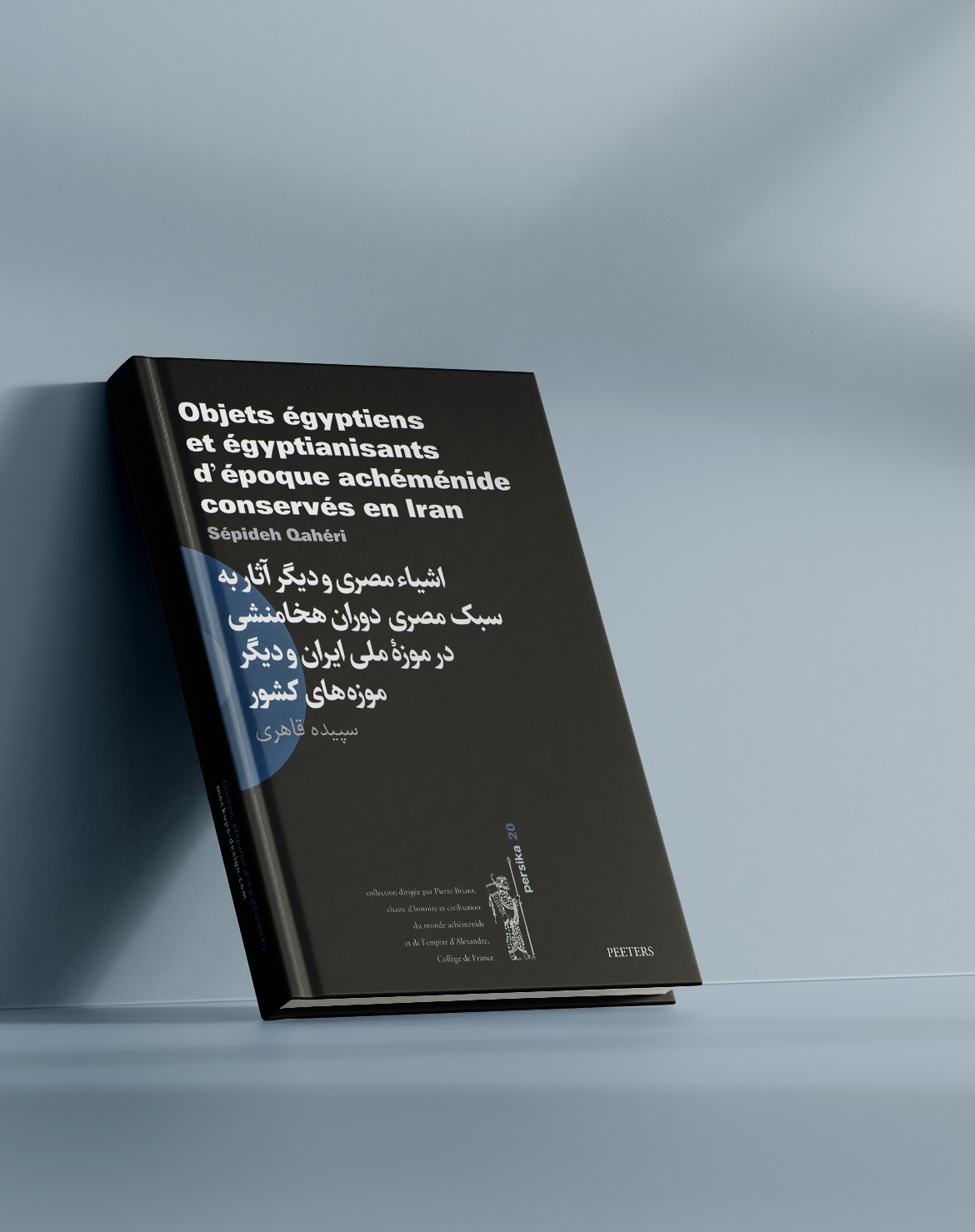
این کتاب، اشیاء مصری موجود در مجموعههای موزهای ایران را بهصورت سیستماتیک ثبت و طبقهبندی نموده و همزمان چارچوب کتابشناسی جامعی برای مطالعات میانرشتهای دربارهٔ تعاملات فرهنگی ایران و مصر در دوران هخامنشیان ارائه میدهد. کتاب در سال ۱۳۹۹ توسط انتشارات پیتِرز (Peeters Publishers) در فرانسه منتشر شده است.
Scientific Management and
Organization of the Egyptian and
Egyptian-Related Objects from the
Achaemenid Period Preserved in
Iran
This volume systematically documents and categorizes Egyptian artifacts housed in Iranian museum collections, while establishing a comprehensive bibliographic framework for interdisciplinary studies on cultural interactions between Iran and Egypt during the Achaemenid Empire. It was published in 2020 by Peeters Publishers in France.
آغاز یک همکاری...
ارتباط با ما
شیراز - خیابان هفت تیر
ساختمان سینوهه
لینک های سایت
شماره تماس : 0711989810 - 0711989811
ایمیل : contact@yourdomain.ir
اطلاعات تماس

1398 .تمام حقوق این سایت متعلق به استدیو بهرنگ می باشد
